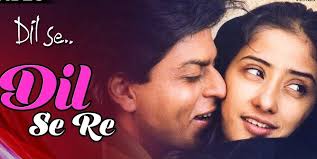
Dil Se begins with Amar (Shah Rukh Khan), a journalist who falls for Meghna (Manisha Koirala), a lady involved in a violent insurgency. Amar believes in love and peace, while Meghna is motivated by a deeper cause, one including bloodshed and terrorism. As their love grows, so does the conflict between Amar’s ideals and the harsh realities of Meghna’s life.
The film eloquently depicts the internal tension between love and duty against the backdrop of a continuous political fight. It’s a terrible story about love, sacrifice, and the emotional cost of a turbulent world.
Mani Ratnam is an expert at integrating complicated concepts into his films, and Dil Se is no exception. He seamlessly combines romance and political upheaval, making it appear natural rather than forced. The graphics of the film are stunning—each frame is brilliantly shot, and the juxtaposition between the serene countryside and the tumultuous world of insurgency only adds to the emotional tension.
Ratnam takes the audience on a trip where the emotional and political worlds intersect. Love becomes a sign of defiance, a personal revolt against an oppressive system. His direction is understated but effective, ensuring that the film’s deeper ideas resound without ever becoming overbearing.
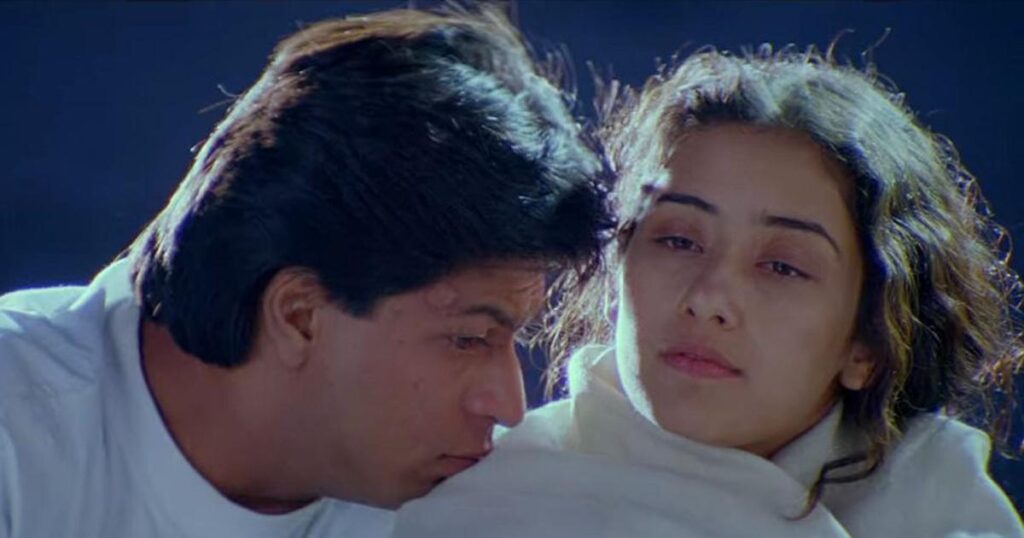
Shah Rukh Khan gives one of his most nuanced performances as Amar. He’s more than simply the charming lover we know; here, he’s caught between his feelings for Meghna and his belief in peace. His emotional journey is severe, and Khan captures the inner torment that his character experiences.
Manisha Koirala is as intriguing as Meghna. Her character, which is profoundly entangled in the insurgency, is complex and sad. Koirala’s performance combines sensitivity and strength, making her character’s decisions both understandable and tragic.
Their chemistry is explosive, and their love story, albeit tragic, feels genuine, making the film’s tragedy the more sad.
A.R. Rahman’s music for Dil Se is nothing short of iconic. From the powerful “Dil Se Re” to the soulful “Jiya Jale,” the songs are more than just music; they are an important component of the story. Rahman’s soundtrack brilliantly compliments the film’s emotional depth, with each song bringing new layers to the characters’ journey. The music reflects both the passion of the romance and the anxiety of the political situation, making it one of the film’s most memorable elements.
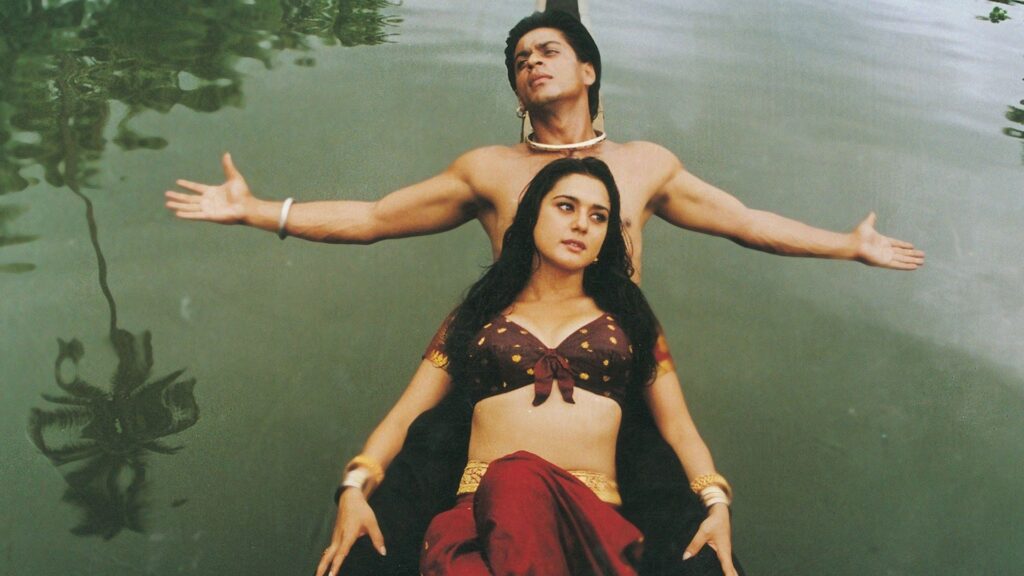
Something differentiates Dil Se is how it discusses the nexus of love and terrorism. Ratnam went on to be not afraid to shy away from demonstrating the horrific impact of political violence, but he also portrays love as a radical force that defies ideologies. Amar and Meghna’s relationship becomes a symbol for resistance, demonstrating love’s ability to transcend division and hatred even in the most severe circumstances.
The film does not provide simple solutions, instead leaving us with a complex, bittersweet finish that stays with you. It’s a sad reminder that, while love is powerful, it can’t always overcome the hard truths of life.
In short, Dil Se is a film that explores the raw, emotional power of love and the devastating effects of terrorism. Mani Ratnam’s direction, combined with powerful performances from Shah Rukh Khan and Manisha Koirala, and A.R. Rahman’s unforgettable music makes this film a timeless classic. It’s not just a love story, it’s a story about sacrifice, struggle, and the personal cost of political ideologies.
If you haven’t seen Dil Se yet, it’s a film you need to experience—not just for its love story but for its bold take on the world’s most pressing issues. And if you’ve already seen it, it’s one of those films that’s always worth revisiting. It’ll leave you thinking about the complexities of love and politics long after it’s over.
Leave a Reply