The Story Behind
Why Are Indian Films So Famous?
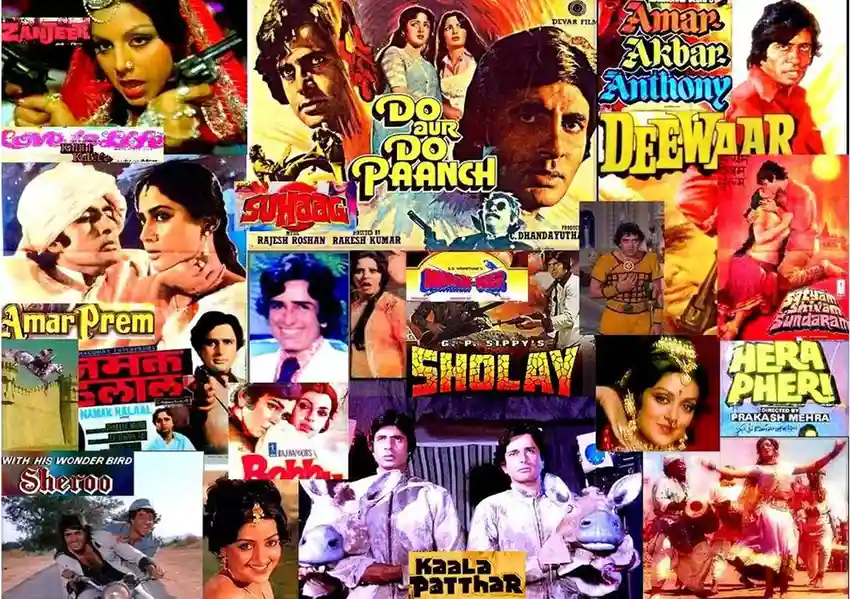
Indian cinema, particularly Bollywood, has achieved a global reputation, which is hardly surprising. But why exactly are Indian films gaining in popularity? It’s a question I often reflect around, and there are so many various aspects to this story. Indian films have a special capacity to weave together emotion, culture, music, and imagery, captivating people all around the world. It’s not just about the amazing dance sequences or great love stories; it’s about how these works of art speak to everyday human emotions like love, sorrow, joy, and all that comes in between.
One of the most captivating aspects of Indian cinema is their ability to connect with audiences from diverse backgrounds. The underlying themes of love, sacrifice, and family can be universal, but the way Indian cinema communicates them is distinct and lively. Whether or not it’s a heartbreaking drama or an epic adventure, Indian cinema has the capability of making viewers feel profoundly connected to the characters, regardless of where one comes from.
The Supreme Art of the Storytellers and Behind the Scenes
Some genuinely outstanding directors shaped Indian cinema, and their work continues to inspire. Let us start with the renowned Yash Chopra, whose name is nearly associated with romance in Bollywood. His timeless classic Dilwale Dulhania Le Jayenge is still one of the most cherished films of all time. Yash Chopra had a remarkable talent for telling heartfelt stories that made us believe in love, family, and the beauty of life itself. On the other end of the scale, Satyajit Ray’s cinematic brilliance was unmatched. With masterpieces like Pather Panchali, Ray brought the world to a more grounded, realistic style of cinema that struck a deep chord with moviegoers. His works are more than just pictures; they are significant reflections on human life and its intricacies.
Mani Ratnam, equally, reshaped Indian cinema with his innovative narrative. His films, particularly Roja and Dil Se, not only entertained but also questioned societal standards and addressed real concerns. His films are a combination of beautiful imagery and thought-provoking themes that have earned him a permanent place in the hearts of movie buffs.
In today’s landscape, directors such as Zoya Akhtar are pushing boundaries and introducing a fresh voice to Indian cinema. Zoya’s films, such as Zindagi Na Milegi Dobara and Gully Boy, explore modern issues that appeal to a younger age, while still providing significant and compelling cinematic experiences. Of course, directors such as Anurag Kashyap, Rajkumar Hirani, and Imtiaz Ali are producing excellent work, each with their own distinct style and perspective.
The filmmakers named above are part of a larger, ever-changing ecosystem of creators in Indian cinema, whose contributions extend beyond the big screen. However, behind the scenes, a committed crew of professionals—cinematographers, editors, music composers, and art directors—bring these storytellers’ visions to reality. Together, they constitute the backbone of Indian filmmaking, creating the magic that continues to captivate hearts throughout the world.
How Did It All Start?
That’s a great question! To be entirely truthful, my personal artistic route has always been centered on the power of visual storytelling. Growing up, I noticed that films, particularly Indian cinema, had a way of transmitting emotions and tales in such an engaging way. The blend of visuals, music, and narrative distinguishes Indian film as a unique means of communication.
For me, it was never simply about viewing movies for fun. It was about figuring out how they might convey complex emotions and cultural stories. Indian film, with its rich cultural roots and global themes, provided an emotional connection unlike any other. This is why I find it so fascinating and worth exploring. It’s not just about the glitz and glamour; it’s about the heart and soul of the storytelling.
What to Expect From This Blog
I’m going to lead you on a journey through Indian cinema, from classic films to contemporary works that are reshaping the industry. In this space, My job is to examine the most recent films and OTT series, provide insights into the craftsmanship of Indian cinema, and remark on the progression of storytelling. I intend to also examine Indian cinema’s expanding global influence, as well as how OTT platforms are changing the way we consume Indian entertainment.
Above all, I hope to bring about an increased appreciation for Indian cinema—not just as a form of entertainment, but as a rich, evolving art form that speaks to our humanity as a whole. So, if you love cinema or are simply curious about what makes Indian cinema so appealing, I urge you to accompany me on this adventure. Let us explore the magic of movies together.


Personal favorite movie which you like to share..
Share your favorite stories and movie reviews
for you to relive the movie all over again